


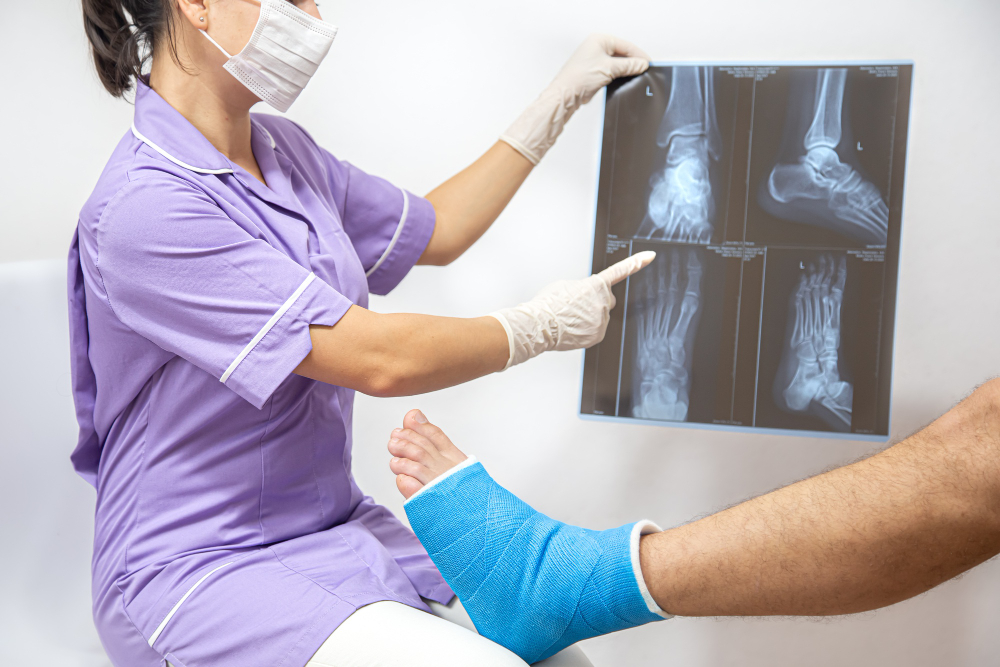
Arthroscopy is a minimally invasive procedure that can help diagnose and treat joint problems before they begin to affect your daily life. When joint pain, stiffness, or injuries start interfering with activities such as climbing stairs, walking comfortably, or enjoying your favorite hobbies, it may be time to seek expert medical attention. While some cases of joint pain get better with rest or medications, others may necessitate the need for a medical procedure. Arthroscopy is considered a minimally invasive technique for the diagnosis and treatment of various joint conditions. You need to be aware of when to consult with a Best Arthroscopy Surgeon in Ambala to avoid worsening your case and to maximize your well-being in general.
Understanding Arthroscopy
Arthroscopy is a type of surgery in which an arthroscope (a small video camera) is utilized to look inside the joint; the doctor makes incisions and uses this camera to view the joint and complete the necessary procedures without larger cuts. Arthroscopy is widely used for treating conditions affecting the knees, shoulders, ankles, elbows, and wrists.
Doctors like Dr. Pradyumna Sharma understand that treatment with an early approach can help to obtain better conditions for the patients suffering from joint injuries and sport-related issues.
Sign 1: Persistent Joint Pain That Won’t Go Away
Sometimes pain in the joint can arise after the physical activity; however, when the pain persists for a long time, it can indicate the presence of cartilage injury, ligament injury, or any other condition which needs treating.
Whenever a patient has pain which makes it difficult to carry out normal routines, he/she should consider going to see the Top Arthroscopy Specialist in Ambala.
Sign 2: Frequent Swelling Around the Joint
Swelling occurs as the body’s natural response to traumas and inflammations. While minor swelling should go away with rest and ice, continual swelling could indicate a more serious condition.
Swelling is often caused by conditions like tears of the meniscus, ligament injuries, and damage to the cartilage. Arthroscopy is a way of identifying what exactly caused swelling and how to treat it.
Sign 3: Limited Movement and Joint Stiffness
Do you have trouble bending your knee, lifting your arm, or moving a joint freely? Decreased mobility is a common indication of joint injury.
When stiffness and limited movement persist despite having undergone physiotherapy and received treatment, an arthroscopic examination should be conducted. Early intervention will prevent further complications and restoration of normal functioning.
Sign 4: Sports Injuries That Are Not Healing Properly
Joint injuries can affect athletes and people involved in sports. Absent, ruined connective bands, and injury of meniscal tissues are some examples.
It is necessary to get Sports Injury Treatment in Ambala at an appropriate time in order to eliminate future complications. Often, arthroscopic surgery can be performed since it permits doctors to observe and treat sports injuries with limited interference to surrounding tissues.
No matter whether you are a pro athlete or an amateur sportsman, proper treatment can provide you an opportunity to come back to playing safely.
Sign 5: Clicking, Locking, or Instability in the Joint
The joints, which are in good condition, should move properly without any abnormal sensations. In the event that you hear clicking sounds, have a locked joint, or feel like a joint might buckle, then there might be internal problems.
The indication of joint issues is usually associated with presence of loose cartilage pieces, ligament injury, torn meniscus and so on. Arthroscopy is really helpful in discovering problems and fixing them efficiently before they continue to escalate.
Why Early Treatment Matters
The neglect of joint issues can result in escalating discomfort, decreased ability to move, and chronic decline of joints. Prompt identification of the problem enables physicians to pick the most effective treatment plan before severe damage is done.
One of the main benefits of arthroscopy is its minimally invasive nature. Patients will usually encounter the following advantages:
- Lesser incisions made
- Less discomfort after the procedure
- The speedier recovery
- Less chance of complications
- Quicker return to daily routines
Highly qualified professionals like Dr. Pradyumna Sharma concentrate on delivering the best treatment options for faster rehabilitation and return to an active lifestyle.
Choosing the Right Specialist
The efficiency of arthroscopic treatment is largely influenced by the qualification of the surgeon. An experienced doctor is capable of making a correct diagnosis, choosing an appropriate treatment, and helping patients recover.
If you have constant problems with your joints, seeking the advice of the Sports injury treatment in Ambala will ensure you the best treatment in the shortest time.
Conclusion
If you have chronic joint pain, swelling, or problems with movement, don’t wait too long before seeking help. The Best Arthroscopy Surgeon in Ambala is the best person to help you with this matter. You can get immediate assistance from a Sports Injury Treatment in Ambala center as well.
Frequently Asked Questions
Q- 1. Which conditions can arthroscopy be used to treat?
Ans- Arthroscopy is most frequently used to treat ligament damage, damage to the meniscus, damage to the cartilage, injuries affecting the shoulder, and different types of sports-related injuries affecting the joints.
Q-2. Is arthroscopy considered major surgery?
Ans- Arthroscopy cannot be called a major surgical procedure because it is a minimally invasive treatment that requires small incisions and less pain than regular surgical procedures.
Q- 3. What is the duration of recovery after arthroscopy?
Ans- Recovery time differs according to the joint being treated and the method of surgery used. Nevertheless, usually people return to their regular life that involves performing usual activities quite quickly (within weeks) after surgery.
